



How to Choose Your Ukulele Size? Complete Guide
Key Takeaways
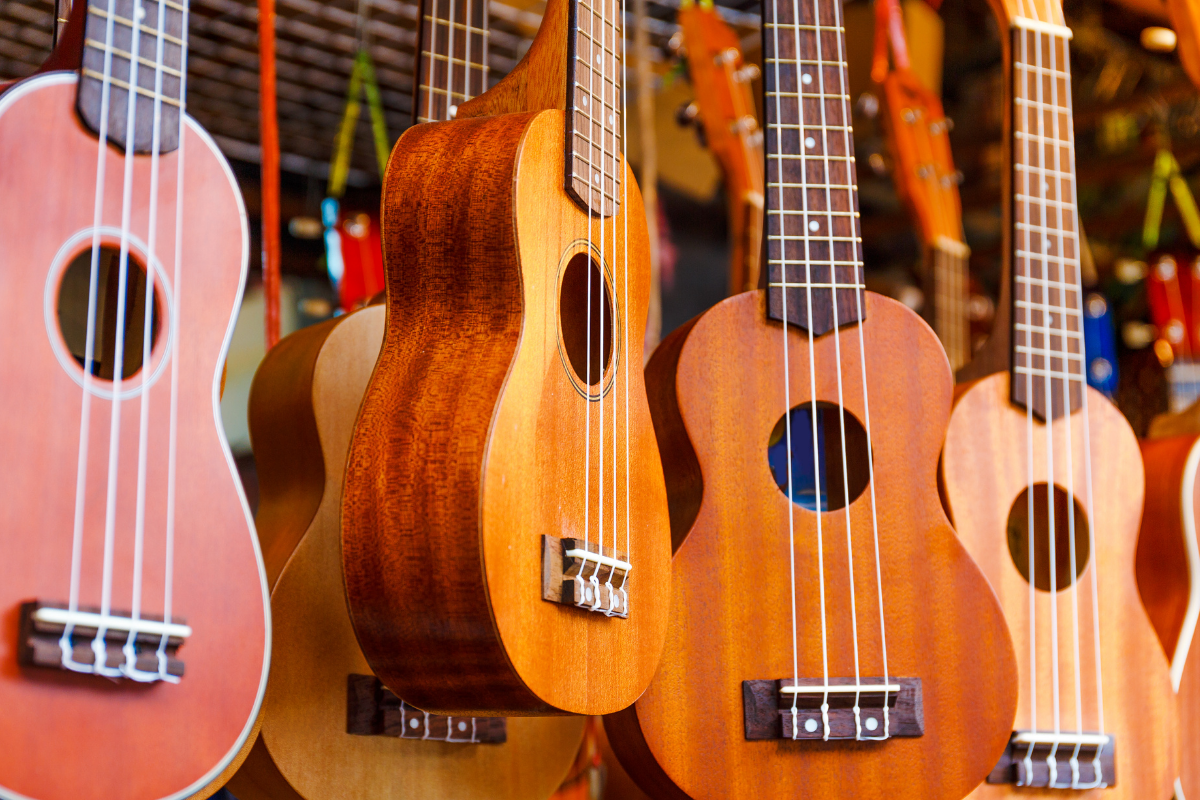
There are 4 main ukulele sizes: soprano, concert, tenor, and baritone. Each offers a different sound and playing comfort.
The soprano is the classic format with the typical Hawaiian sound, while the concert remains the most versatile choice for beginners.
Your hand size and playing style (strumming, fingerpicking, solo) are the two decisive criteria.
A tenor or baritone ukulele suits guitarists transitioning or intermediate players better.
After years of advising musicians, I’ve lost count of how many times a customer asked me: “But which one is the real ukulele?” while pointing at a soprano and a tenor side by side. The question keeps coming up, and for good reason: the size of a ukulele changes everything.
The sound, comfort, playability, accessible repertoire… Each size has its own personality. In this guide, we review the four main ukulele families to help you find the one that truly suits you.
The 4 Ukulele Sizes Explained
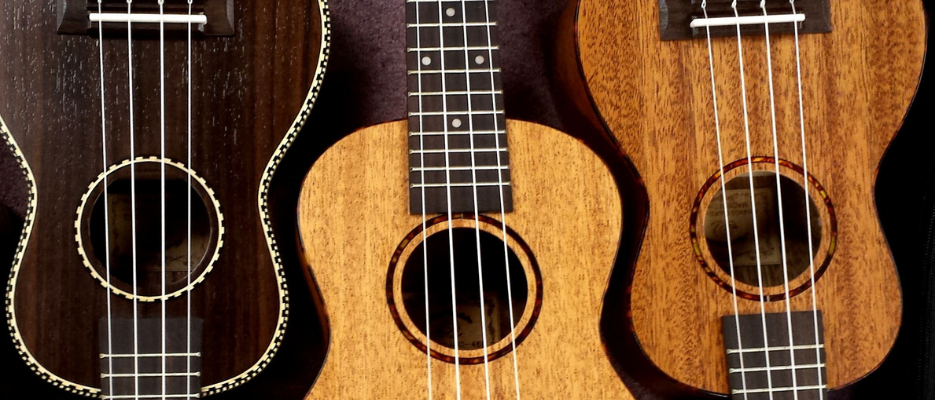
Soprano, concert, tenor, baritone: each size has a different scale length (the vibrating length of the string), which directly influences the timbre, volume, and playing comfort. Before you commit, ask yourself two questions: how big are your hands, and what sound are you looking for?
The Soprano: The Original Format
The soprano is THE ukulele in the collective imagination. With a scale length of about 33 cm and a total length around 53 cm, it’s the most compact in the family. Its timbre is bright, lively, very “Hawaiian.” It’s the one you hear in Somewhere Over the Rainbow by Israel Kamakawiwoʻole.
Perfect for children or people with small hands. However, the frets are close together: if you have large fingers, you might feel cramped beyond the 5th fret.
The Concert: The Ideal Compromise
With a 36 cm scale length, the concert offers more space between frets. The result: more comfort for adult hands, higher volume, and a slightly rounder sound than the soprano, while retaining that characteristic ukulele timbre.
This is the size most often recommended for adult beginners. Lightweight, portable, versatile for both strumming and fingerpicking. If you’re unsure, this is probably the one you need.
The soprano, concert, and tenor share the same standard tuning: G-C-E-A (Sol-Do-Mi-La). You can therefore switch from one to another without relearning your chords. Only the baritone uses a different tuning (D-G-B-E), close to the four high strings of the guitar.
The Tenor: More Volume, More Bass
The tenor has a scale length of about 43 cm. The instrument gains in projection, sustain (note duration), and depth. The longer neck gives access to more frets for solos and melodic playing.
It’s the preferred size for intermediate players and those coming from guitar. Highly appreciated in studios for its rich and balanced sound. Jake Shimabukuro, ukulele virtuoso, plays a tenor.
The Baritone: At the Doorstep of the Guitar
With a 48 cm scale length and a D-G-B-E tuning, the baritone is the largest. Its timbre is close to a four-string classical guitar: warm, deep, with a lot of body.
The different tuning means relearning chord positions. If you’re a guitarist, you’ll find your way quickly. But for starting ukulele, it’s better to begin with a soprano, concert, or tenor to benefit from the standard tuning and the many available learning resources.
If you’re torn between two sizes, go to a store and hold each format in your hands. The physical feel (neck width, fret spacing, weight) matters as much as the sound. A ukulele you feel good with is a ukulele you’ll play every day.
Which Ukulele Size for Which Player Profile?
The choice depends on your body type, level, and style. Child under 10 years old: soprano, light and suited for small hands. Adult beginner: concert, good balance of comfort and sound. Intermediate player or guitarist: tenor, longer neck and wider tonal palette. Experienced guitarist: baritone, smooth transition thanks to familiar tuning.
Do you play a lot of fingerpicking? Favor a tenor with fluorocarbon strings and a Low G tuning (low G string). You gain an octave in the bass, which greatly enriches melodic lines and arpeggios. Artists like Taimane Gardner fully exploit this setup.
Ukulele Size and Musical Style
Each size has its playground. The soprano excels in folk or pop strumming — think Vance Joy or Twenty One Pilots. The concert suits everything: pop, French chanson, vocal accompaniment. The tenor shines in fingerpicking, jazz, and blues thanks to its extended range. And the baritone finds its place in bossa nova or Hawaiian slack-key.
Beyond Size: Other Criteria to Consider
Size is the first filter, but not the only one. The wood influences the sound: mahogany for warmth, spruce for brightness, koa for a typically Hawaiian tone. For beginners, a well-made laminated model will do the job.
Gear tuners offer better tuning stability than friction tuners. Strings also matter: fluorocarbon for brightness, nylon for softness, Nylgut for a compromise. And if you play in a band, an electro-acoustic model with built-in piezo will be a real plus. Discover the full range on our ukulele section.
Hot Sellers
More






News
More


